Quick answer
The best supplements for bad breath are oral probiotics containing strains like Streptococcus salivarius K12, which show modest short-term reductions in the volatile sulfur compounds that cause odor. The effect is small, tends to revert after stopping, and works best when paired with tongue scraping and thorough brushing. Bad breath is caused mainly by anaerobic bacteria in tongue coating and periodontal pockets, so mechanical hygiene and treating any underlying gum disease come before any supplement.
- Most bad breath originates in the mouth; supplements cannot replace tongue scraping, brushing, and dental care
- S. salivarius K12 has the best signal for halitosis, but pooled results are mixed and benefits fade after stopping
- ProvaDent and ProDentim carry studied strains and 60-day guarantees, but neither has a finished-product trial
Our top picks at a glance
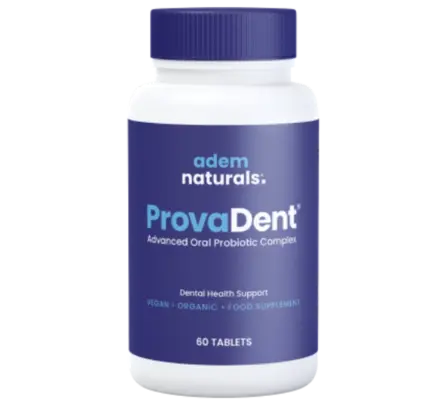 1
1 ProvaDent
The oral-health supplement we'd try first, if we were going to try one.
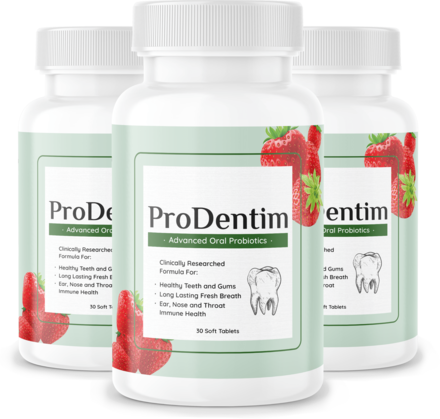 2
2 ProDentim
The best-known oral-probiotic chewable, and a reasonable second choice if you prefer a lozenge.
Rankings reflect formulation, value, and refund policy, not a proven cure. No supplement is proven to cure gum disease or regrow bone. Some links are affiliate links; we may earn a commission at no cost to you.
The best supplements for bad breath are oral probiotics, particularly strains like Streptococcus salivarius K12, which have the strongest (still modest) short-term signal in clinical research. The critical caveat is that bad breath is caused mainly by anaerobic bacteria living in tongue coating and periodontal pockets, so mechanical hygiene and treatment of any underlying gum disease come first. A probiotic cannot carry the load alone.
The short answer
Oral probiotics with strains such as S. salivarius K12, Lactobacillus salivarius, and Weissella cibaria can modestly reduce volatile sulfur compounds (the gases that cause the odor) over short trial periods. A systematic review and meta-analysis of randomized trials found statistically significant short-term reductions in odor scores and sulfur compounds versus placebo, but the benefit fades after stopping, and a separate meta-analysis found no pooled significance across the available trials. This is a genuine “maybe helps a little” category, not a cure category.
Why bad breath starts in the mouth
Understanding the mechanism helps you know what a supplement can and cannot do.
According to StatPearls via the NCBI Bookshelf, roughly 80 to 85 percent of halitosis originates inside the mouth. The primary culprit is the posterior tongue, where anaerobic bacteria metabolize sulfur-containing amino acids into volatile sulfur compounds: hydrogen sulfide, methyl mercaptan, and dimethyl sulfide. Gum disease and deep periodontal pockets add a second reservoir of the same bacteria.
A 2020 study in the Journal of Clinical Medicine identified the specific bacterial genera most closely linked to halitosis, including Fusobacterium, Porphyromonas, Prevotella, Selenomonas, and Solobacterium, among others. These are gram-negative anaerobes that thrive in the low-oxygen environment of tongue biofilm and periodontal pockets.
The practical implication: no pill resets a poorly cleaned tongue or reverses active gum disease. Tongue scraping, thorough brushing, flossing, and professional care address the root causes. A supplement can only ever work on top of those.
What the probiotic research shows
The strategy with oral probiotics is competitive exclusion: introduce beneficial bacteria (often bacteria that naturally dominate healthy mouths) to crowd out the odor-producing anaerobes. The strain with the most studied signal is Streptococcus salivarius K12.
A 2025 randomized controlled trial published in the Journal of Breath Research tested S. salivarius K12 against tongue brushing and a combination of both in 80 participants over four weeks. Both the probiotic-only and tongue-brushing-only groups significantly reduced volatile sulfur compound levels. The combined group showed the most significant and sustained improvements, with better organoleptic scores persisting at follow-up. The takeaway: the probiotic added something, but mechanical cleaning added more, and together they worked best.
An earlier trial in children found that S. salivarius K12 following chlorhexidine oral disinfection produced significant and stable halitosis reductions, while chlorhexidine alone did not hold over follow-up visits, suggesting the probiotic helped sustain the improvement.
The pooled picture is more cautious. A systematic review and meta-analysis in Frontiers in Nutrition that examined four randomized clinical trials with 283 participants found no overall statistical significance (p = 0.53) between probiotic and placebo groups. The authors noted one important nuance: S. salivarius K12 appeared ineffective in one trial specifically because tongue coating had not been pre-treated. That finding aligns with the broader pattern: probiotics work better in a cleaner oral environment, not as a first-line intervention in heavily colonized mouths.
The more recent BMJ Open meta-analysis found significant short-term effects at four weeks or less but diminishing returns beyond that window. Studies examining Lactobacillus salivarius, Lactobacillus reuteri, Streptococcus salivarius, and Weissella cibaria all contributed to the short-term signal.
Honest comparison: what you are actually buying
No branded oral probiotic product has been tested in its own independent clinical trial. The evidence base is for specific bacterial strains under controlled conditions, which may or may not translate to the formulation in a bottle. Here is what to expect from the category:
| Factor | Honest assessment |
|---|---|
| Short-term odor reduction | Possible, modest, strain-dependent |
| Long-term effect after stopping | Tends to revert; benefit is maintenance-dependent |
| Replaces tongue scraping or brushing | No, combination is more effective than probiotic alone |
| Treats gum disease causing bad breath | No, professional care is required for that |
| Evidence for finished branded products | None independent; strain evidence only |
| Risk if you try one with a guarantee | Low, provided the guarantee is real and honored |
The key consumer protection is a genuine money-back guarantee. It converts a trial with uncertain odds into a low-risk experiment.
The two guarantee-backed oral probiotics we rank here
Both ProvaDent and ProDentim are oral probiotic formulas sold with 60-day money-back guarantees. Neither has an independent clinical trial of the finished product. Both carry probiotic strains in the same category of evidence reviewed above. The honest ranking reflects the guarantee and the category evidence, nothing more.
ProvaDent is a capsule formula. ProDentim is a chewable. If you have a strong preference for format, that is a reasonable tiebreaker. Beyond that, the evidence does not support calling one meaningfully superior to the other for bad breath specifically.
If you do try either, pair it consistently with tongue scraping. The trial data suggests probiotic effects are larger in mouths where biofilm load has been mechanically reduced first.
Bottom line
The best supplements for bad breath are oral probiotics containing strains with clinical signal, most notably S. salivarius K12. The evidence is real but modest: short-term reductions in volatile sulfur compounds in some trials, no pooled significance in others, and a clear pattern showing the benefit depends on maintenance and works better alongside good mechanical hygiene. Tongue scraping and brushing come first, always. A probiotic can add a small bonus on top of those habits. If bad breath persists despite thorough oral hygiene, a dental visit to check for periodontal disease or other oral causes is the highest-value step, not a supplement.
Related notes
The bottom line
No supplement is proven to cure gum disease or regrow bone. We highlight ProvaDent for its formulation and guarantee, not as a cure. If you decide to try one, ProvaDent is the option we would pick, mainly because the 60-day money-back guarantee makes a trial risk-free.
Check Latest Price for ProvaDentFrequently asked questions
What supplements actually help with bad breath?
The best-studied supplements for bad breath are oral probiotics, particularly strains like Streptococcus salivarius K12, Lactobacillus salivarius, and Weissella cibaria. Systematic reviews show they can reduce volatile sulfur compounds and organoleptic scores in the short term, but the effect is modest, the evidence is low-grade, and it tends to fade after about four weeks. No supplement is a replacement for tongue cleaning, brushing, flossing, and treating any underlying gum disease.
Does S. salivarius K12 really work for bad breath?
It has the best clinical signal of any oral probiotic strain tested for halitosis, but the results are mixed. Some trials show meaningful reductions in volatile sulfur compounds, especially when tongue coating is first mechanically cleared. One study found no significant effect when tongue coating was not pre-treated. A 2022 meta-analysis found no pooled statistical significance across available trials. The honest summary: modest, short-term benefit for some people, not a reliable standalone cure.
How long do oral probiotic benefits for bad breath last?
Short-term only. A systematic review found significant reductions in volatile sulfur compounds and smell scores at four weeks or less, but longer-term data shows the benefit fades after the probiotic is stopped. The bacteria do not permanently colonize the mouth, so ongoing use is likely required to maintain any effect. Factor in the continuing cost before committing.
Is bad breath a sign of gum disease?
It can be. Gum disease and deep pockets harbor anaerobic bacteria that produce volatile sulfur compounds, which cause odor. If bad breath persists despite thorough brushing, tongue cleaning, and flossing, a dental exam is warranted to check for periodontal disease, deep cavities, or other oral causes. Supplements do not treat active gum disease.
Which is better for bad breath, ProvaDent or ProDentim?
Both are oral probiotic formulas with 60-day money-back guarantees and no independent clinical trial of the finished product. Neither has head-to-head trial data for bad breath specifically. The choice comes down to personal preference, as both rely on the same category of strain evidence. A guarantee makes either a low-risk trial.
Sources & references
Every claim above is drawn from these primary sources.
- ● Tongue brushing and oral probiotics for the treatment of halitosis - randomized controlled trial · PubMed (National Library of Medicine)
- ● Role of Probiotics in Halitosis of Oral Origin - systematic review and meta-analysis · PMC (National Library of Medicine)
- ● Efficacy of probiotics in the management of halitosis - systematic review and meta-analysis · PubMed (National Library of Medicine)
- ● Halitosis - StatPearls · NCBI Bookshelf (StatPearls, NLM)
- ● The Role of Oral Microbiota in Intra-Oral Halitosis · PMC (National Library of Medicine)
Free checklist
The 12 checks to run on a gum supplement label before you pay for it.
A one-page checklist drawn from ADA, Cochrane Oral Health and NIH/NIDCR guidance, plus the FTC's own rules on supplement advertising. It tells you which label claims mean something, which are decoration, and the wording that signals a product is not worth your money. We send it immediately, then one short note a week.
One click to unsubscribe. We never sell or share your address. Privacy.