Quick answer
Lost tooth enamel cannot regrow because enamel contains no living cells. The goal of supplements is to support remineralization, which restores minerals to early-softened enamel before it progresses to a cavity. The nutrients with the clearest role are calcium (the primary enamel mineral), vitamin D (required for calcium absorption), and fluoride applied topically through toothpaste. No oral probiotic supplement rebuilds enamel; that is not their mechanism.
- Enamel has no living cells and cannot regrow once lost; only early softening can be remineralized
- Calcium, vitamin D, and topical fluoride have the strongest evidence for supporting enamel
- Oral probiotics do not rebuild enamel, and no branded product has tested enamel as an outcome
Our top picks at a glance
 1
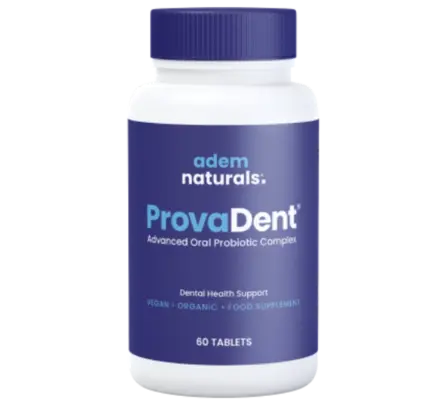
1 ProvaDent
The oral-health supplement we'd try first, if we were going to try one.
 2
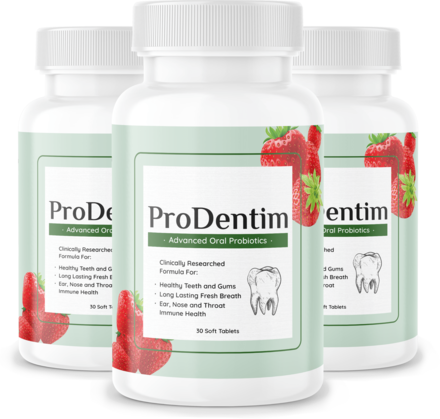
2 ProDentim
The best-known oral-probiotic chewable, and a reasonable second choice if you prefer a lozenge.
Rankings reflect formulation, value, and refund policy, not a proven cure. No supplement is proven to cure gum disease or regrow bone. Some links are affiliate links; we may earn a commission at no cost to you.
The most honest thing to say upfront: lost tooth enamel does not grow back. Enamel has no living cells, so once it is gone, the body has no mechanism to replace it. What supplements and diet can do is support remineralization, which is the process of returning minerals to early-softened enamel before a cavity forms, and help maintain the conditions that keep existing enamel strong. That distinction matters, because no supplement on the market rebuilds enamel structure. The right framing is prevention and early-stage support, not restoration of what is already lost.
The short answer
The nutrients with the clearest role in enamel health are calcium, vitamin D, and phosphate, because they supply and regulate the minerals that make up hydroxyapatite, the crystal that forms enamel. Fluoride, applied topically through toothpaste, is the single most evidence-backed tool for remineralizing early lesions and making enamel more acid-resistant. Diet, particularly reducing the frequency of sugary and acidic food, is the other major lever. Oral probiotic supplements marketed for oral health may have modest benefits for gum tissue as an adjunct to brushing and professional cleaning, but they do not remineralize enamel, and no independent trial of any finished oral-probiotic product has tested enamel as an outcome.
Why enamel cannot regrow: the biology in plain terms
Enamel is formed during tooth development by cells called ameloblasts. Once a tooth erupts, those cells are gone. Because enamel contains no living cells, there is no biological mechanism for self-repair. This is different from bone, which continuously remodels via osteoblasts and osteoclasts, and from skin, which regenerates from basal cells.
What enamel can do is undergo remineralization: mineral ions from saliva, fluoride toothpaste, and diet can deposit into crystal voids created by early acid attack, partially restoring the mineral density of a softened area. A comprehensive review of enamel remineralization materials describes the process: exogenous calcium phosphate ions fill crystal voids in demineralized enamel to produce a net mineral gain. This is repair of early damage, not regrowth of structure that has been lost.
The practical implication is that remineralization strategies work best before enamel erodes to a visible cavity. At the cavity stage, a dentist, not a supplement, is the right intervention.
Nutrients with a real role in enamel health
| Nutrient | Role in enamel | Main dietary source | Supplement useful? |
|---|---|---|---|
| Calcium | Primary mineral in hydroxyapatite | Dairy, fortified plant milks | If diet is deficient |
| Vitamin D | Required for calcium absorption | Sunlight, fatty fish, fortified foods | Commonly useful, especially in winter |
| Phosphate | Second mineral in hydroxyapatite | Meat, fish, legumes, dairy | Rarely needed; diet is usually adequate |
| Fluoride | Promotes remineralization; forms acid-resistant fluorapatite | Fluoridated water, toothpaste | Topical (toothpaste) yes; oral supplements are rarely indicated for adults |
| Vitamin K2 | Supports calcium routing to hard tissue; less studied for enamel directly | Fermented foods, some animal products | Evidence is thinner; no enamel-specific trials |
Calcium is the structural foundation. The ADA’s nutrition and oral health guidance identifies calcium as essential for forming and maintaining healthy teeth, with hydroxyapatite as the primary enamel mineral. Adequate intake matters most during tooth development in childhood, but calcium remains relevant for adults because saliva’s calcium concentration directly supplies the remineralization reservoir.
Vitamin D is the nutrient most likely to be deficient and most directly tied to calcium absorption. Without enough vitamin D, dietary calcium cannot be efficiently absorbed from the gut. Research published in PMC shows that vitamin D3 has genuine potential in supporting remineralization of early enamel lesions, with one study finding improved surface microhardness and mineral content at a dose of 1,000 IU daily over six weeks. The ADA also notes that lower vitamin D levels correlate with increased caries risk. Deficiency is common, especially in northern latitudes and in people who avoid sun exposure, making a standard-dose supplement a reasonable choice for many adults.
Phosphate is equally essential to hydroxyapatite but is rarely deficient in a typical Western diet. It does not usually require a separate supplement.
Fluoride deserves its own paragraph because it remains the most evidence-supported remineralization tool in routine use. Fluoride works by encouraging calcium ions in saliva to deposit on vulnerable enamel surfaces, and by replacing hydroxyl groups in hydroxyapatite to form fluorapatite, which is more resistant to acid dissolution. It works topically, meaning it needs to contact the tooth surface, which is why fluoride toothpaste used twice daily is more effective than a swallowed supplement. For adults, systemic fluoride supplements add little that topical use does not already provide, and excess fluoride carries the risk of fluorosis in children. Fluoride toothpaste is not a supplement in the traditional sense, but it belongs in any honest discussion of enamel protection.
The central role of diet
No supplement compensates for a diet that attacks enamel repeatedly throughout the day. Every time you consume sugar or acid, mouth pH drops below 5.5, the threshold at which enamel minerals begin to dissolve. Frequent snacking and sipping acidic drinks (sports drinks, fizzy water, fruit juice) keeps pH low for extended periods, outpacing the remineralization that saliva and fluoride can deliver.
Practical diet choices that support enamel: reduce the frequency of sugar and acid exposure, drink water with meals, eat cheese or dairy as a meal component (the casein and calcium in dairy have modest evidence for a cariostatic effect, per ADA guidance), and wait about 30 minutes after acidic food before brushing, since enamel is softened immediately after acid exposure and brushing too soon may abrade it further.
What oral-probiotic supplements can and cannot do for enamel
Several branded oral-probiotic products are marketed with language that implies broad oral-health benefits. The honest picture: probiotic bacteria cannot rebuild a mineral crystal lattice. Enamel remineralization requires ions, not bacteria. Some probiotic strains have modest short-term evidence for reducing gum bleeding and plaque as an add-on to professional cleaning, but that is a gum-tissue benefit, not an enamel benefit.
No published independent trial of any finished branded oral probiotic product has tested enamel mineral density or caries rates as an outcome. That does not make these products useless for oral health broadly, but it does mean that enamel protection is not their mechanism, and claiming otherwise would be misleading.
Bottom line
The goal with enamel is remineralization and prevention, not regrowth. The nutrients that matter most are calcium and vitamin D (which together support the mineral supply that saliva draws on for remineralization), and fluoride applied topically through toothpaste. Diet control, specifically reducing the frequency of sugar and acid exposure, is the most impactful daily lever. Oral probiotic supplements ranked on this page carry a 60-day money-back guarantee and may offer modest gum-health support as adjuncts to a solid hygiene routine, but they do not remineralize enamel and should not be chosen for that reason. If you are seeing visible enamel erosion, sensitivity, or early cavities, a dentist is the right first call, not a supplement.
Related notes
The bottom line
No supplement is proven to cure gum disease or regrow bone. We highlight ProvaDent for its formulation and guarantee, not as a cure. If you decide to try one, ProvaDent is the option we would pick, mainly because the 60-day money-back guarantee makes a trial risk-free.
Check Latest Price for ProvaDentFrequently asked questions
Can supplements regrow tooth enamel?
No. Enamel has no living cells, so lost enamel cannot be biologically regenerated. What some nutrients and fluoride can do is support remineralization, which is the process of restoring minerals to early-softened areas before they progress to a visible cavity. Supplements help maintain the conditions for remineralization; they do not rebuild enamel structure that is already gone.
What vitamins are most important for tooth enamel?
Calcium and vitamin D are the nutrients with the clearest role in enamel formation and maintenance. Calcium is the primary mineral in hydroxyapatite, the crystal lattice that makes up enamel. Vitamin D is required for your intestine to absorb calcium efficiently; without adequate vitamin D, dietary calcium cannot reach the teeth and bones that need it. Phosphate is also central to hydroxyapatite structure and is typically adequate in a normal diet.
Does fluoride help tooth enamel?
Yes, and it is the most evidence-backed tool for enamel protection that is in widespread use. Fluoride supports remineralization by encouraging calcium ions to deposit on vulnerable enamel and by forming fluorapatite, a mineral variant more resistant to acid than the natural hydroxyapatite in enamel. Fluoride works best topically, through toothpaste and professional treatments, rather than as a swallowed supplement.
Do oral probiotic supplements strengthen enamel?
Not directly. No published independent trial shows that any oral probiotic product regrows or meaningfully remineralizes enamel. Some probiotic strains have modest evidence for reducing gum bleeding as an adjunct to professional cleaning, but enamel is a mineral tissue with no living cells, so probiotic bacteria cannot rebuild it. Oral probiotics with a money-back guarantee may suit people who want general oral-health support, but enamel remineralization is not their mechanism.
What diet changes help protect enamel?
Reducing the frequency of sugary and acidic food and drink is the single most impactful dietary change for enamel. Acid and the acid produced by bacteria from sugar both lower mouth pH below 5.5, which is the threshold at which enamel minerals dissolve. Eating dairy products, drinking water with meals, and waiting 30 minutes before brushing after acidic foods are all practical protective steps backed by mainstream dental guidance.
Sources & references
Every claim above is drawn from these primary sources.
- ● Advanced materials for enamel remineralization · PMC (National Library of Medicine)
- ● Effect of Oral Vitamin D3 on Dental Caries: An In-Vivo and In-Vitro Study · PMC (National Library of Medicine)
- ● Nutrition and Oral Health · American Dental Association
- ● Tooth Enamel Erosion and Restoration · WebMD
Free checklist
The 12 checks to run on a gum supplement label before you pay for it.
A one-page checklist drawn from ADA, Cochrane Oral Health and NIH/NIDCR guidance, plus the FTC's own rules on supplement advertising. It tells you which label claims mean something, which are decoration, and the wording that signals a product is not worth your money. We send it immediately, then one short note a week.
One click to unsubscribe. We never sell or share your address. Privacy.