Quick answer
ProvaDent is an oral probiotic, and for healthy adults the risk of meaningful side effects is generally low based on the probiotic strain class. The most common effects reported in probiotic research are mild and transient: gas, bloating, and brief digestive changes in the first days of use. There is no independent safety trial of the finished ProvaDent formula, so no product-specific adverse event rate exists. People with weakened immune systems, serious illness, pregnancy, or young children should consult a doctor before starting.
- Mild, transient digestive effects like gas and bloating are the most commonly reported probiotic side effects
- There is no independent safety trial of the finished ProvaDent product; its profile is inferred from the strain class
- Immunocompromised people, pregnant women, and parents of young children should consult a doctor first
Short on time? Our pick
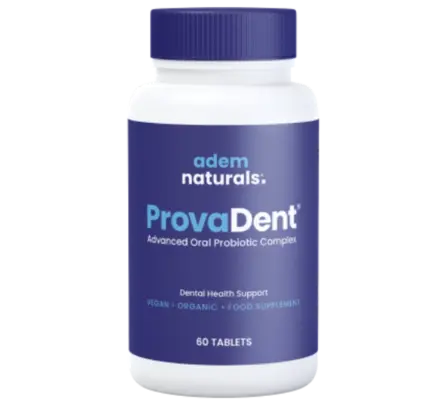
ProvaDent
Oral probiotic support
Our editorial score.Scored on formulation, refund policy, and value, not on a proven cure. No gum-disease supplement is clinically proven.
The oral-health supplement we'd try first, if we were going to try one.
- 60-day money-back guarantee, which covers the trial period if it does not help
- Sold through BuyGoods, which processes refunds reliably
- Aimed at the oral microbiome, the current focus of gum-health research
No supplement is proven to cure gum disease or regrow bone. We highlight ProvaDent for its formulation and guarantee, not as a cure.
ProvaDent is an oral-probiotic capsule, and the honest answer to “what are the side effects?” has two parts. First, the probiotic strain class it belongs to is generally well tolerated in healthy adults, with the most common complaints being mild, transient digestive effects like gas or bloating that typically settle within the first week or two. Second, there is no independent clinical trial of the finished ProvaDent product, so any statement about its specific side-effect profile is an inference from the strain class, not a measured fact about this formula. That distinction matters, and any source that skips it is cutting a corner.
The short answer
For healthy adults, the risk of meaningful side effects from an oral probiotic supplement like ProvaDent is generally low, based on the broader safety record of the probiotic strain class. Mild digestive symptoms in the first days of use are the most commonly reported effects in probiotic research. Certain groups, specifically people with weakened immune systems, serious illness, pregnancy, or young children, should consult a doctor before starting. There is no independent safety trial of the finished ProvaDent formula, so no one can give you a product-specific adverse event rate.
What the research says about probiotic side effects generally
The National Center for Complementary and Integrative Health (NCCIH) summarizes the evidence this way: probiotics have an extensive history of apparently safe use, particularly in healthy people. At the same time, the NCCIH notes that few studies have looked at safety in detail, which means the absence of reported problems is partly an absence of systematic measurement.
The most consistently reported side effects in probiotic trials are gastrointestinal and mild. Researchers and clinicians most often describe:
- Gas and flatulence, especially in the first few days
- Bloating or a sensation of fullness
- Loose stools or a brief change in bowel habits
These effects tend to resolve on their own within one to two weeks as the digestive tract adjusts. They are not signals of harm; they reflect the normal process of introducing live microorganisms to an established gut environment.
Serious adverse events, such as bacteremia (bacteria entering the bloodstream), have been documented in the literature but are rare and strongly associated with specific risk factors. A review of probiotic safety published in PMC notes that despite widespread probiotic use, bloodstream infections attributable to probiotic organisms remain uncommon, and the evidence suggests benefits outweigh risks in the general healthy population. The same review identifies the populations where caution is warranted: immunocompromised patients, premature infants, and people with short bowel syndrome.
Who should be cautious
Not everyone has the same risk profile when starting a probiotic. Three groups stand out in the published guidance.
People with weakened immune systems. A compromised immune system, whether from disease, transplant medications, chemotherapy, or other causes, reduces the body’s ability to clear microorganisms that enter the bloodstream. The NCCIH states plainly that the risk of harmful effects from probiotics is greater in people with severe illnesses or compromised immune systems. If this applies to you, ask your doctor before adding any probiotic supplement.
Pregnant and nursing women. The research picture on probiotics in pregnancy is generally reassuring, with most clinical reviews finding no meaningful increase in adverse outcomes. However, ProvaDent specifically has not been studied in pregnant populations, and a 2023 expert review in PMC flags that probiotic safety in pregnancy still warrants special scrutiny, particularly for obese pregnant women and in relation to longer-term infant outcomes. The conservative path is to ask your doctor or midwife before starting.
Infants, especially premature infants. This is the one group where the concern is not just precautionary. The FDA issued a 2023 warning specifically about probiotic use in hospitalized preterm infants, following reports of severe and fatal infections. ProvaDent is an adult product, but the warning is worth stating clearly: premature or very young hospitalized infants should not be given probiotic supplements outside of medical supervision.
Healthy older children and adults without underlying conditions face a much lower risk profile, though any new supplement should be discussed with a healthcare provider if there is any doubt.
What makes ProvaDent different from a studied formula
This is the most important honesty note on this page. The probiotic strains studied in clinical research, such as Lactobacillus reuteri, which has a reasonably developed evidence base as an oral health adjunct from trials like the one indexed at PubMed PMID 16878680, were tested in controlled conditions with specific dosing and delivery formats.
ProvaDent is a finished branded product with its own formulation. It has not been through an independent safety or efficacy trial as a finished product. The NCCIH notes that some probiotic products have contained microorganisms not listed on the label, which is a quality-control concern applicable to any branded supplement. When we say ProvaDent is “generally low risk,” we are borrowing from the strain class record, not reading from a ProvaDent-specific data file.
What this means practically:
| Question | Honest answer |
|---|---|
| Has ProvaDent been through a safety trial? | No, there is no independent trial of the finished product. |
| Are mild digestive effects possible? | Yes, gas and bloating in the first days are common with any probiotic. |
| Can serious side effects occur? | Rare in healthy adults; higher risk in immunocompromised or ill patients. |
| Is it safe in pregnancy? | Probiotics are generally tolerated in pregnancy, but ask a doctor first. |
| Is it safe for children? | Ask a pediatrician; premature infants should never be given probiotics unsupervised. |
| Does it interact with medications? | No documented interactions, but ask your prescriber if on immunosuppressants. |
Practical steps if you decide to try it
If you are a healthy adult and you want to trial ProvaDent, a few sensible steps reduce the likelihood of even mild discomfort.
Start with food. Taking an oral probiotic with a meal rather than on an empty stomach can reduce the likelihood of initial gas or bloating. Give it two weeks before drawing a conclusion about tolerability, since the first few days are the most likely time for mild digestive adjustment. If you notice anything beyond mild gas (rash, fever, unusual fatigue, worsening oral symptoms), stop and call a doctor.
Keep expectations calibrated. Any benefit from an oral probiotic is modest and adjunct, meaning it sits on top of brushing, flossing, and professional cleaning, not in place of them. A meta-analysis of oral probiotics for periodontal parameters found small statistically significant improvements in plaque and bleeding when probiotics were added to professional care, but no branded product, including ProvaDent, has had its finished formula tested in a clinical trial.
Bottom line
ProvaDent’s side-effect risk is generally low for healthy adults, based on the safety record of the probiotic strain class. The most likely effects are mild and transient: gas and bloating in the first week or two. The honest caveat is that ProvaDent as a finished product has not been independently studied for safety, so its specific adverse event profile is unknown. That is not a condemnation of the product; it is simply the truth about how supplement research works. People with weakened immune systems, serious illness, or pregnancy should ask a doctor before starting. The 60-day money-back guarantee means a trial in a healthy adult carries low financial risk, which is the closest thing to a real consumer safeguard when the product evidence is this limited.
Related notes
The bottom line
No supplement is proven to cure gum disease or regrow bone. We highlight ProvaDent for its formulation and guarantee, not as a cure. If you decide to try one, ProvaDent is the option we would pick, mainly because the 60-day money-back guarantee makes a trial risk-free.
Check Latest Price for ProvaDentFrequently asked questions
What are the most common side effects of ProvaDent?
There is no independent clinical trial of the finished ProvaDent product, so we cannot quote product-specific side-effect rates. Based on the probiotic strain class it contains, the most commonly reported effects in probiotic research are mild and transient: gas, bloating, and loose stools in the first days of use. These tend to resolve within one to two weeks as the digestive tract adjusts. Serious adverse events are rare in healthy adults.
Is ProvaDent safe to take?
For healthy adults the risk profile of an oral probiotic is generally low, based on the broader safety record of the probiotic strain class. However, ProvaDent itself has not been studied in an independent safety trial, so the honest answer is that safety is inferred from the strain class, not proven for the finished formula. People with weakened immune systems, serious illness, or who are pregnant or nursing should ask a doctor before taking any new supplement.
Can I take ProvaDent while pregnant?
The safest path is to ask your doctor or midwife first. Probiotic use in pregnancy has generally shown a favorable safety record in clinical reviews, but ProvaDent as a finished product has not been studied in pregnant populations specifically. No supplement, including ProvaDent, should replace professional prenatal care.
Can children take ProvaDent?
ProvaDent is marketed to adults. For children, especially those with any underlying health condition, a pediatrician should be consulted before starting any probiotic supplement. Premature or hospitalized infants should not receive probiotic supplements: the FDA issued a 2023 warning about serious infection risk in that specific group.
Does ProvaDent interact with medications?
No drug interactions specific to ProvaDent have been documented, because the product has not been studied in drug-interaction trials. As a general caution, people taking immunosuppressant medications, or anyone on a complex medication regimen, should ask their prescriber before adding a probiotic supplement. This is precautionary, not a known interaction.
Sources & references
Every claim above is drawn from these primary sources.
- ● Probiotics: Usefulness and Safety · National Center for Complementary and Integrative Health (NCCIH / NIH)
- ● Safety of probiotics · PMC (National Library of Medicine)
- ● Emerging issues in probiotic safety: 2023 perspectives · PMC (National Library of Medicine)
- ● Clinical effects of probiotics on gingivitis and periodontitis: meta-analysis · PMC (National Library of Medicine)
- ● Gum Disease (Periodontal Disease) · NIDCR (National Institutes of Health)
Free checklist
The 12 checks to run on a gum supplement label before you pay for it.
A one-page checklist drawn from ADA, Cochrane Oral Health and NIH/NIDCR guidance, plus the FTC's own rules on supplement advertising. It tells you which label claims mean something, which are decoration, and the wording that signals a product is not worth your money. We send it immediately, then one short note a week.
One click to unsubscribe. We never sell or share your address. Privacy.